Source Beech Wood Veneer Plywood for Furniture, Flooring, and Cabinetry
Find 30 beech wood veneer plywood options for furniture, flooring, and cabinetry. Compare specifications including thickness, formaldehyde emission standards, and bonding strength to select the right material for your indoor or outdoor projects.
Key considerations
Products List


Comprehensive Sourcing Guide
Beech Wood Veneer Plywood Sourcing Guide
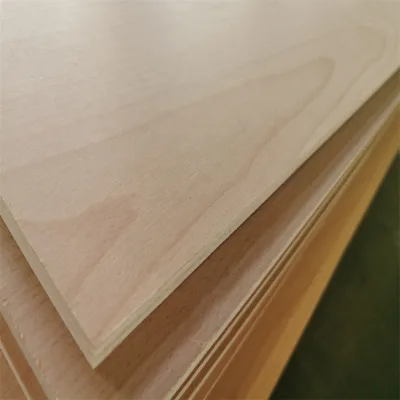
Sourcing beech wood veneer plywood requires a nuanced understanding of the material’s structural composition and aesthetic appeal. This engineered wood product typically features a core made from poplar or birch, providing stability and cost-efficiency, while the face and back layers utilize beech veneer to deliver a premium, natural wood appearance. Buyers must recognize that the term "beech wood veneer plywood" describes a composite structure rather than a solid timber product. The core material significantly influences the panel’s weight, stiffness, and resistance to warping, while the beech veneer determines the final visual quality and surface finish. Understanding this layered architecture is essential for selecting the right grade for specific furniture or interior design applications.
The market for this material is diverse, with suppliers offering various configurations to meet different project requirements. Listings often indicate a wide range of thicknesses, from thin panels suitable for decorative surfaces to thicker boards used in structural furniture components. The veneer surface may be finished with double-sided decoration, enhancing its readiness for immediate use in high-end cabinetry or paneling. Buyers should note that while the core material is frequently poplar, some variants may use birch, which can affect the overall density and nail-holding capacity. Verifying the exact core composition is a critical first step in ensuring the material meets the mechanical demands of the intended application.
Product Scope and Observed Listing Signals
The current market landscape for beech wood veneer plywood shows a broad spectrum of product offerings, with observed price points ranging from approximately $1.70 to $360 per unit, depending on thickness, grade, and quantity. Minimum Order Quantities (MOQs) vary significantly, starting from as low as one piece for sample orders up to 5,000 units for bulk commercial purchases. This variability allows buyers to scale their procurement strategy, whether they are sourcing for a single custom furniture piece or a large-scale construction project. The wide price range reflects differences in veneer quality, core density, and the level of surface finishing applied by the manufacturer.
Listing signals indicate that standard dimensions such as 1220x2440mm are prevalent, with thicknesses available in multiple increments including 9mm, 12mm, 18mm, and up to 50mm. Some suppliers offer specific model numbers like Yamazon-P235 or Yamazon-P240, which may correspond to distinct ply counts or veneer grades. The product is often categorized under modern design styles and is primarily intended for indoor furniture applications, though some listings suggest suitability for outdoor use, which requires careful verification of bonding strength and moisture resistance. Buyers should treat these listing details as starting points for inquiry rather than definitive specifications, as variations exist between different manufacturers and production batches.
Technical Specifications to Verify
When evaluating technical specifications, the ply count is a key indicator of structural integrity and surface quality. Available options include 7-ply, 9-ply, 15-ply, and general veneer boards, with higher ply counts generally offering better resistance to splitting and improved dimensional stability. The bonding strength is another critical parameter, with classifications such as I(NQF) and Ⅲ(Nc) indicating different levels of water resistance and durability. Buyers must confirm which bonding class is required for their specific application, as indoor furniture may only require standard bonding, while areas with higher humidity demands may need more robust adhesive systems.
Surface finishing and grain orientation also play significant roles in the final product’s performance and aesthetics. Options include angle grain and straight grain veneers, which affect the visual flow of the wood pattern on large panels. The surface may be double-sided decorated, meaning both the face and back are finished to a high standard, reducing the need for additional sanding or treatment during fabrication. Additionally, the formaldehyde emission standards are a crucial technical detail, with some products meeting E0 standards, which represent very low formaldehyde release levels. Buyers should request specific test reports to verify these emission levels, especially for products intended for residential or commercial interiors where air quality is a priority.
Compliance and Safety Documentation
Compliance with formaldehyde emission standards is a primary concern for buyers of engineered wood products. The E0 standard is a recognized benchmark for low formaldehyde emissions, offering a safer indoor environment compared to higher emission grades. Buyers should insist on documentation that proves the product meets the E0 standard or any other relevant local regulatory requirements. This documentation often comes in the form of third-party laboratory test reports, which provide objective data on the chemical emissions from the adhesive used in the plywood manufacturing process. Without this verification, there is a risk of non-compliance with building codes or health regulations in the destination market.
In addition to emission standards, buyers should inquire about other potential certifications, such as FSC (Forest Stewardship Council), which indicates responsible forest management. While not all products may carry this certification, it is increasingly important for buyers targeting environmentally conscious markets. The warranty period is another aspect of compliance and risk management, with some suppliers offering a 5-year warranty on their products. This warranty typically covers defects in material and workmanship, providing a layer of protection for the buyer. However, the specific terms and conditions of the warranty should be clearly understood, including what constitutes a valid claim and the process for filing it.
Cost Drivers and Commercial Terms
Several factors influence the final cost of beech wood veneer plywood, with thickness and veneer grade being the most significant. Thicker panels require more raw material and energy to produce, leading to higher prices, while higher-grade veneers with fewer defects command a premium. The supply ability of the manufacturer also plays a role, with some suppliers capable of producing up to 5,000 cubic meters per month, which can affect pricing through economies of scale. Buyers should consider the total landed cost, including shipping and handling, rather than just the unit price, as transportation costs can vary widely depending on the origin and destination.
Packaging and logistics are additional cost drivers that buyers must account for. Products may be shipped in loose packing or on standard export pallets, with the latter offering better protection during transit but potentially higher shipping costs due to increased volume. The port of dispatch, often Qingdao for products originating from Shandong, China, can impact shipping rates and lead times. Buyers should negotiate clear terms regarding packaging requirements to ensure the product arrives in good condition, minimizing the risk of damage and associated replacement costs. Additionally, the availability of customization services may incur extra fees, so buyers should clarify these costs upfront to avoid budget overruns.
Supplier Qualification and Quality Control
Supplier qualification is a critical step in ensuring the reliability of the beech wood veneer plywood supply chain. Buyers should verify the supplier’s production capabilities, including their monthly output and the range of products they offer. A supplier with a strong supply ability and a diverse product range is more likely to have robust quality control processes in place. It is also important to check the supplier’s after-sale service offerings, such as online technical support, which can be invaluable for resolving issues related to product installation or performance. A responsive and knowledgeable support team can significantly reduce downtime and frustration in case of problems.
Quality control measures should be clearly defined and agreed upon before placing an order. Buyers should request samples to evaluate the veneer quality, core consistency, and surface finish firsthand. Inspecting the grain pattern, checking for voids in the core, and verifying the bonding strength are essential steps in this process. Additionally, buyers should inquire about the supplier’s internal quality control protocols, including how they handle defects and non-conforming products. Establishing a clear quality assurance framework, including inspection rights and rejection criteria, helps mitigate the risk of receiving substandard materials.
Long-Term Procurement Checks
Long-term procurement success depends on establishing a sustainable relationship with suppliers who can consistently meet quality and delivery expectations. Buyers should monitor the supplier’s performance over time, tracking metrics such as on-time delivery rates, defect rates, and responsiveness to issues. Regular communication and feedback loops can help identify potential problems early and foster a collaborative partnership. It is also important to stay informed about changes in the supplier’s product line, pricing, and production capacity, as these factors can impact future orders.
As market conditions and regulatory requirements evolve, buyers must remain vigilant about compliance and sustainability. This includes staying updated on new formaldehyde emission standards, environmental regulations, and certification requirements in their target markets. Regularly reviewing the supplier’s compliance documentation and conducting periodic audits can help ensure that the products continue to meet all necessary standards. By maintaining a proactive approach to supplier management and quality assurance, buyers can secure a reliable supply of high-quality beech wood veneer plywood for their ongoing projects.
FAQs
What is the formaldehyde emission standard for this plywood?
The formaldehyde emission standard is E0, ensuring low emissions for indoor use. This grade meets strict safety requirements for furniture and interior applications where air quality is critical for occupants.
Which core materials are used in the beech wood veneer plywood?
The core material is poplar, while the face and back veneers are beech. This combination provides structural stability with an attractive natural wood finish suitable for modern furniture design.
Can I customize the thickness and size of the plywood sheets?
Yes, customization is available with thickness ranging from 2 to 50mm and standard sizes like 1220x2440mm. Buyers can request specific dimensions to fit their unique project requirements.
What is the warranty period for the beech wood veneer plywood?
The product comes with a 5-year warranty covering manufacturing defects. This assurance applies to the bonding strength and surface finishing provided by the manufacturer for indoor applications.
How is the plywood packaged for international shipping from China?
Packaging options include loose packing or standard export pallet packing tailored to buyer requirements. This ensures safe transport from the Qingdao port to global destinations without damage.
What is the monthly supply capacity for 18mm plywood with ASN veneer?
The supply ability is 5000 cubic meters per month for 18mm plywood with ASN veneer. This capacity supports large-scale orders while maintaining consistent quality and delivery schedules.
Which bonding strength class is applied to this plywood product?
The bonding strength class is I(NQF), indicating high durability for indoor and outdoor use. This classification ensures the layers remain bonded under various environmental conditions.